
Transforming Lives
Across Tanzania
A member-based network of six organizations dedicated to empowering smallholder farmers and improving livelihoods in the Southern Highlands of Tanzania.
Who We Are
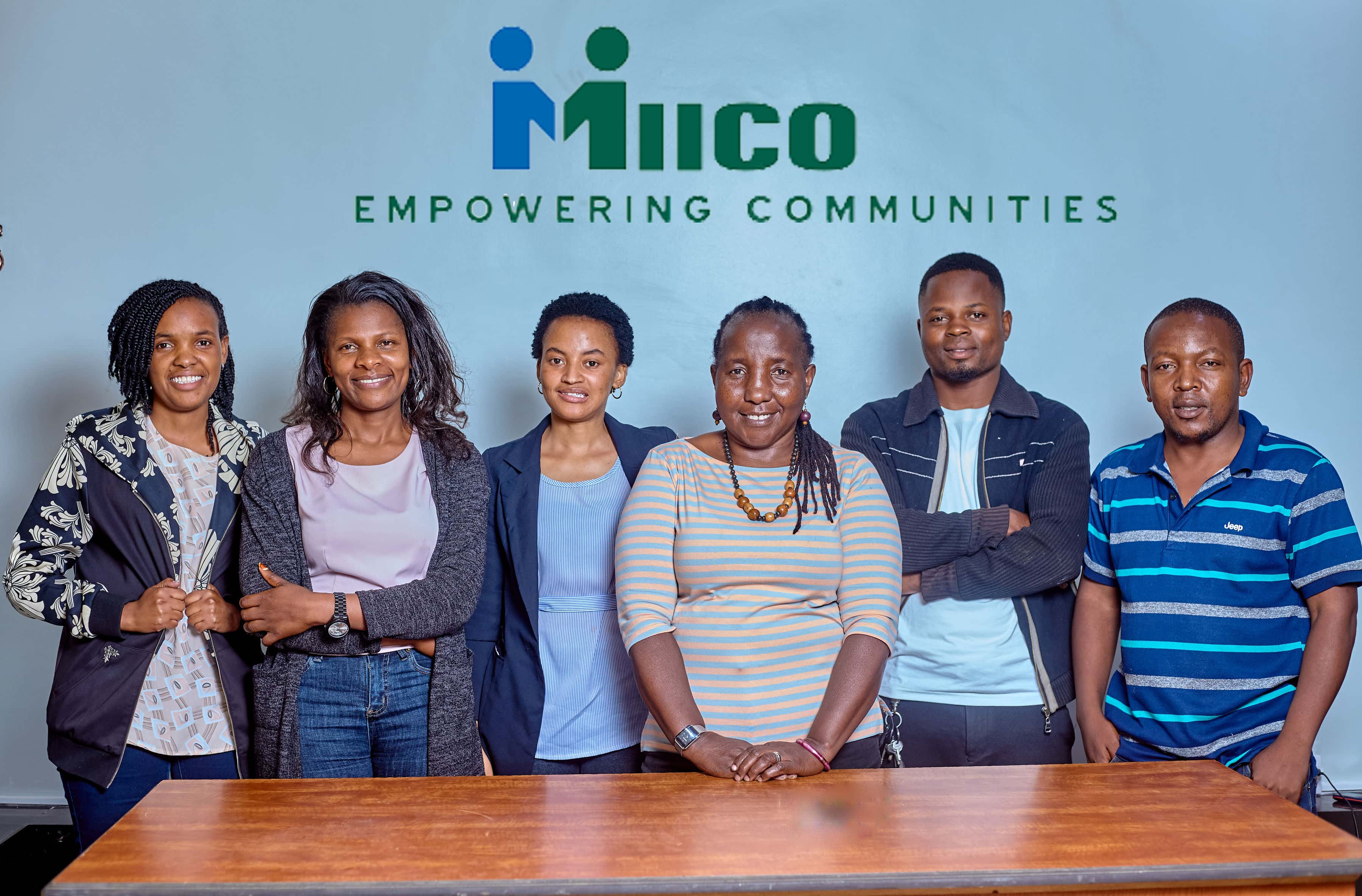
MIICO is a member-based organisation of five organisations working mostly with smallholder farmers in the Southern Highlands of Tanzania, focusing on agricultural sector development. Our members include ADP-Mbozi, IRDO, KAESO, ASF, TAGRODE, and IADO.
Established in 2002, we are drawn together by our specific interest in empowering communities towards livelihood improvement and poverty reduction — addressing social, economic, and environmental issues through advocacy, capacity development, and sustainable development.
Read More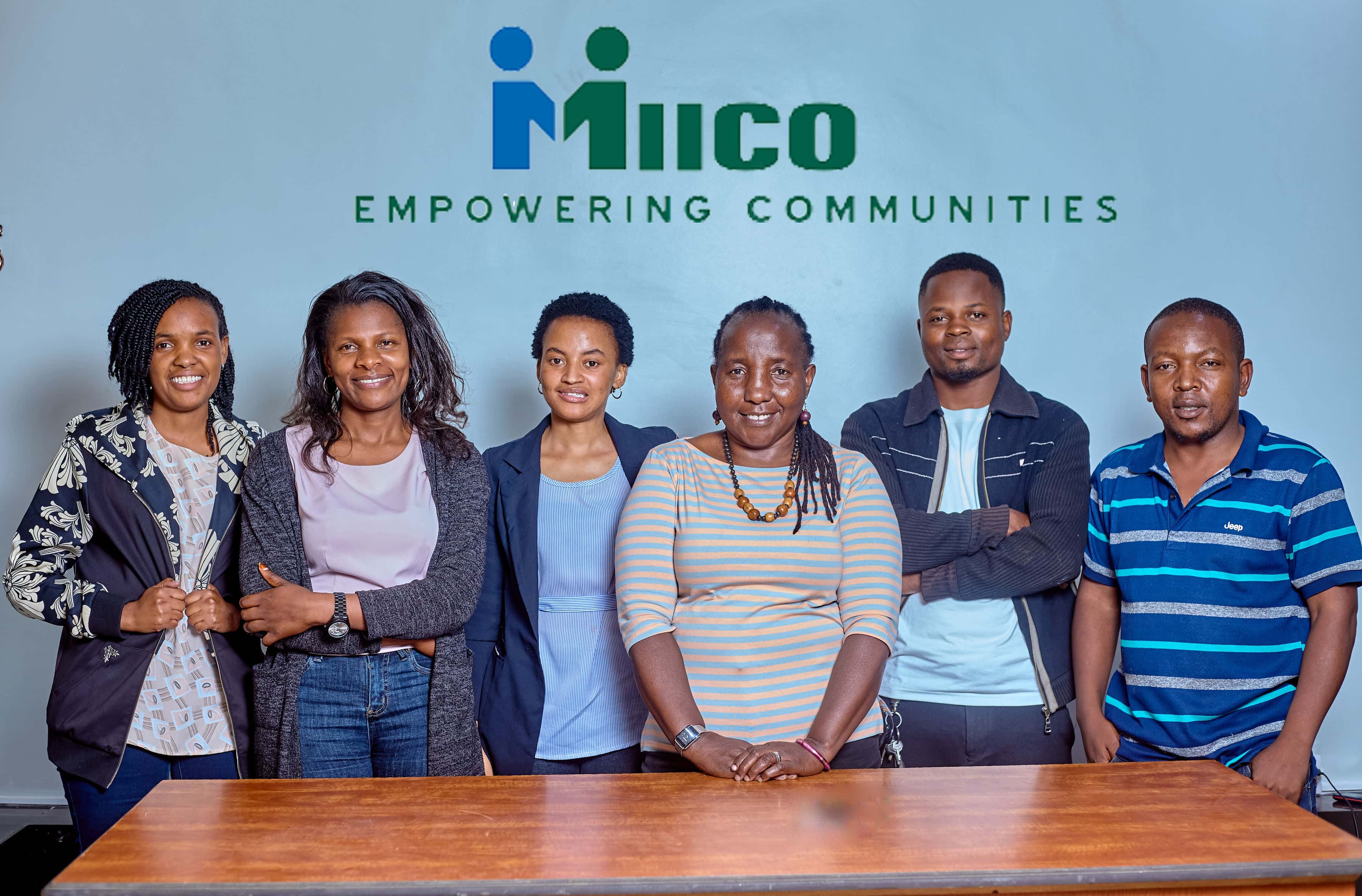
To facilitate the poor and marginalised groups in Tanzania to spearhead their own social and economic development for the purpose of improving their livelihoods.
We envision a Tanzanian society where people have improved their livelihoods and manage their resources sustainably.
We achieve our mission through policy engagement, capacity development, economic empowerment, information sharing, and research.
Our Impact at a Glance
Over two decades of driving sustainable development and empowering communities across Tanzania.
20+
Years of Experience
500K+
Lives Impacted
100+
Projects Completed
6
Member Organizations
Our Programme Areas
We focus on services that align with the pressing needs of smallholder producers and other vulnerable groups.
MIICO considers land access as crucial for smallholder producers to ensure equitable distribution of land, boost agricultural productivity, and enhance rural livelihoods. This programme empowers marginalised communities, promotes social justice, and contributes to poverty reduction. Secure land rights encourage investment in land and sustainable resource management, leading to long-term rural prosperity.
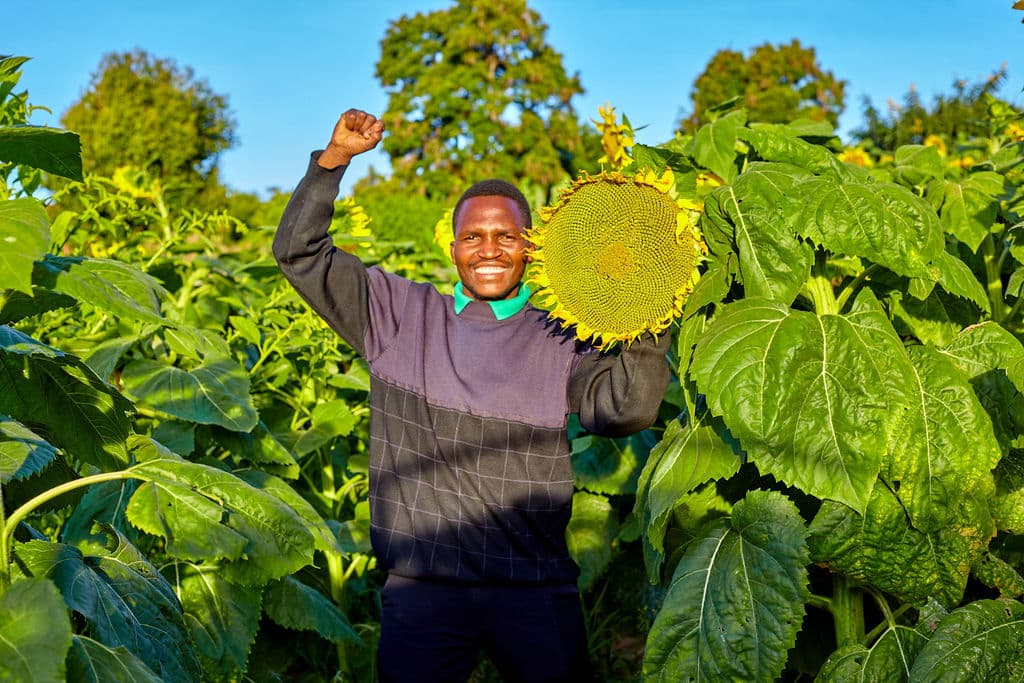
MIICO embraces food security as crucial for ensuring everyone has access to enough safe and nutritious food. The organisation is geared on a food system approach being vital for achieving food availability, accessibility, and utilisation therefore help in addressing challenges like malnutrition, climate change, food waste, and the need to increase food production.
This is a key thematic area for MIICO, addressing the disproportionate impacts of climate change on vulnerable rural communities. These programmes focus on empowering marginalised groups, including women and youth, to adapt to climate change, build resilience, and promote environmental conservation and sustainable development.
The organisation engages in community organising and movement building, which are central to creating lasting social change by mobilising people around a shared vision. It involves empowering individuals and groups to work together, amplifying their voices, and collectively driving change on a larger scale.
The organisation is geared to livelihood and community economic empowerment initiatives, equipping rural communities with the resources and skills to improve their economic well-being. By focusing on enhancing livelihoods, these initiatives address poverty, improve living standards, and promote overall community development.
Latest News
Stories from the ground — celebrating rural women, advancing land rights, and driving change across Tanzania.
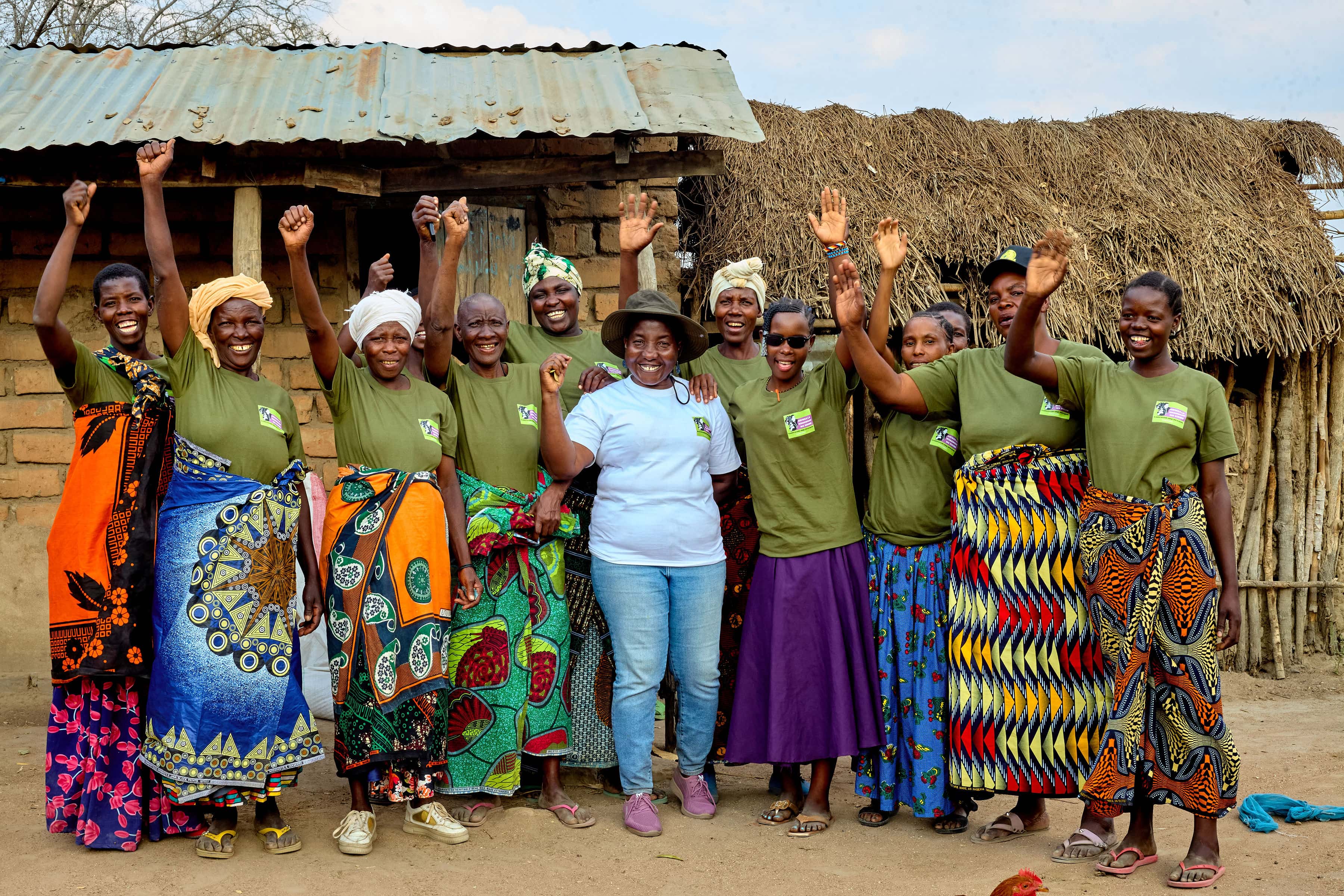
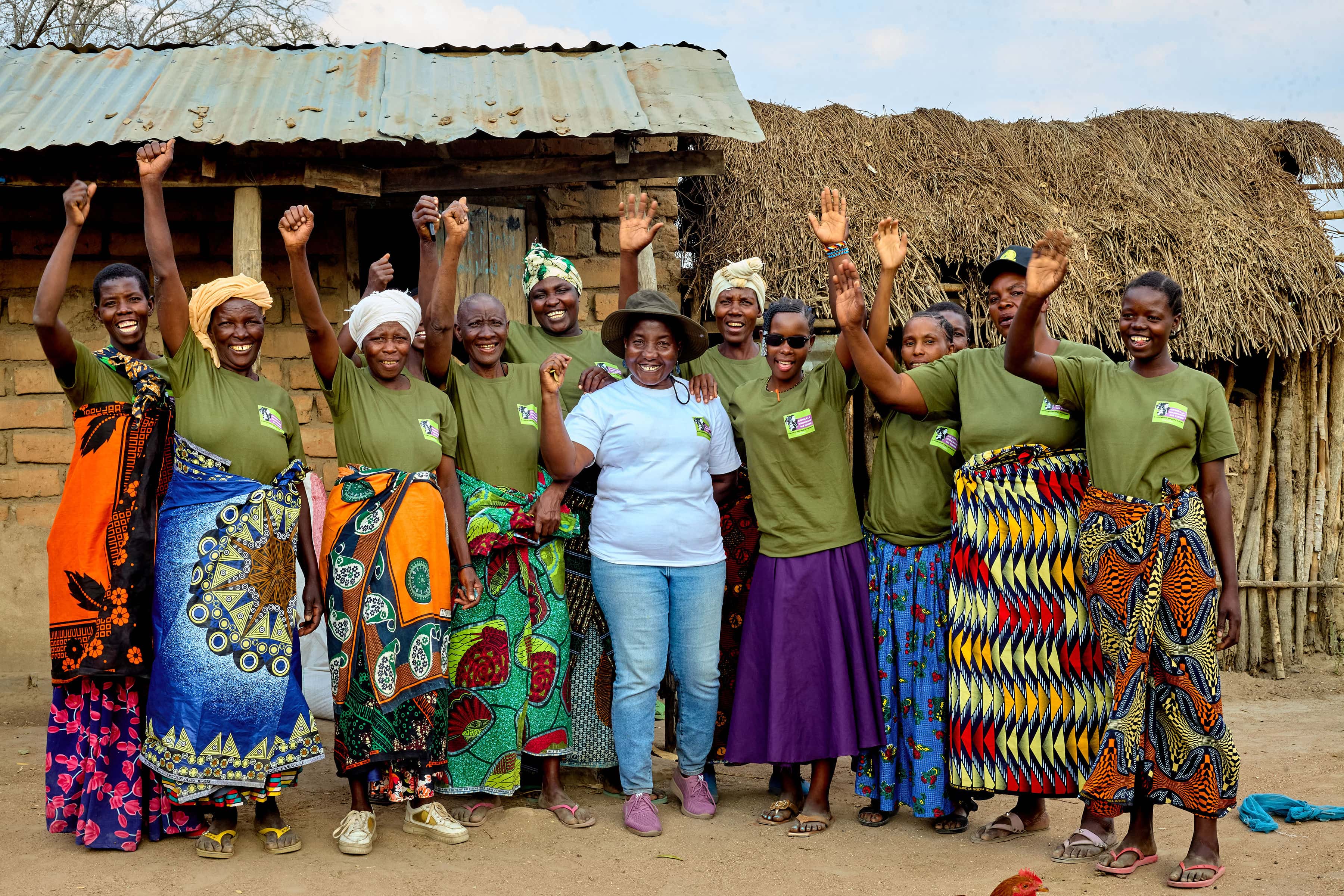
A gathering organised by the Tanzania Rural Women's Forum brought together more than 200 women from the Southern Highlands to discuss climate change, gender-based violence, women's land rights, clean energy, and the preservation of indigenous seed varieties.
By Friday Simbaya, Mbeya
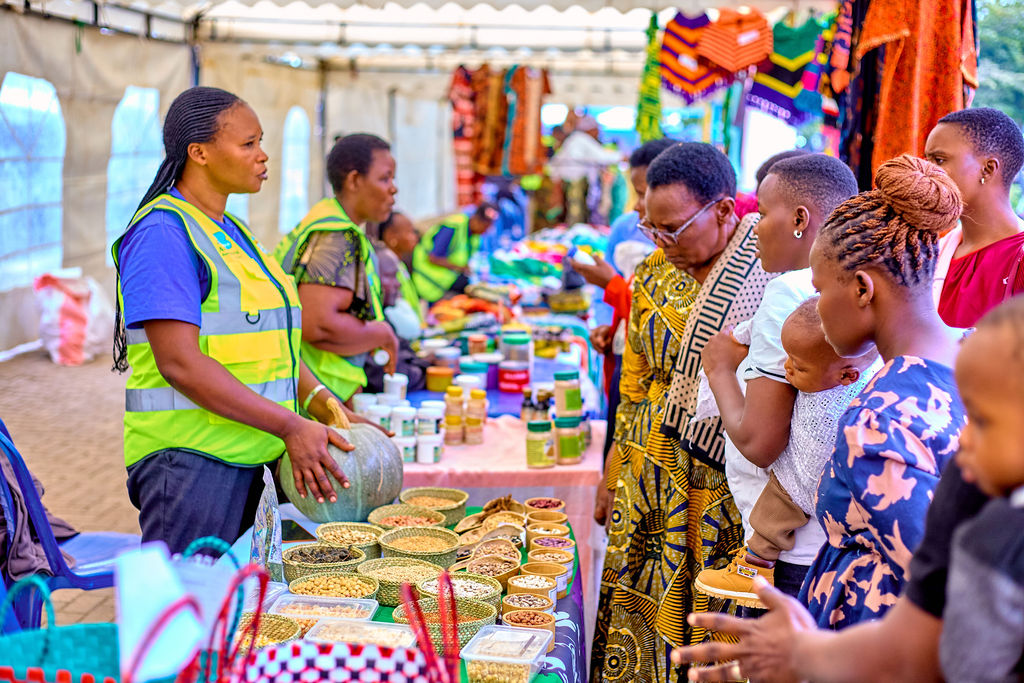
The Rural Women Assembly Tanzania Chapter, coordinated by MIICO, celebrated the International Day of Rural Women in Bagamoyo, bringing together delegates from 12 SADC countries to voice their demands and launch the Women's Land Rights Manifesto.
By MIICO Communications
Join Us in Making a Difference
Your support can help us continue our vital work. Whether through partnership, donation, or collaboration, you can be a part of empowering communities in Tanzania.